
Pacing yourself, hydration, nutrition, and knowing when to take a break. The greenway's got plenty of spots to rest and refuel along the way. Whether you're cycling for 2 hours or spending a full morning on the trail, these fundamentals make the difference between a great ride and one where you're exhausted by midday.
We've worked with dozens of riders over the years, and the pattern's always the same. People who plan their rides smartly come back feeling energized. Those who don't? They're sore the next day and skip their next session. It's not complicated — just a few practical adjustments.
Finding Your Comfortable Pace
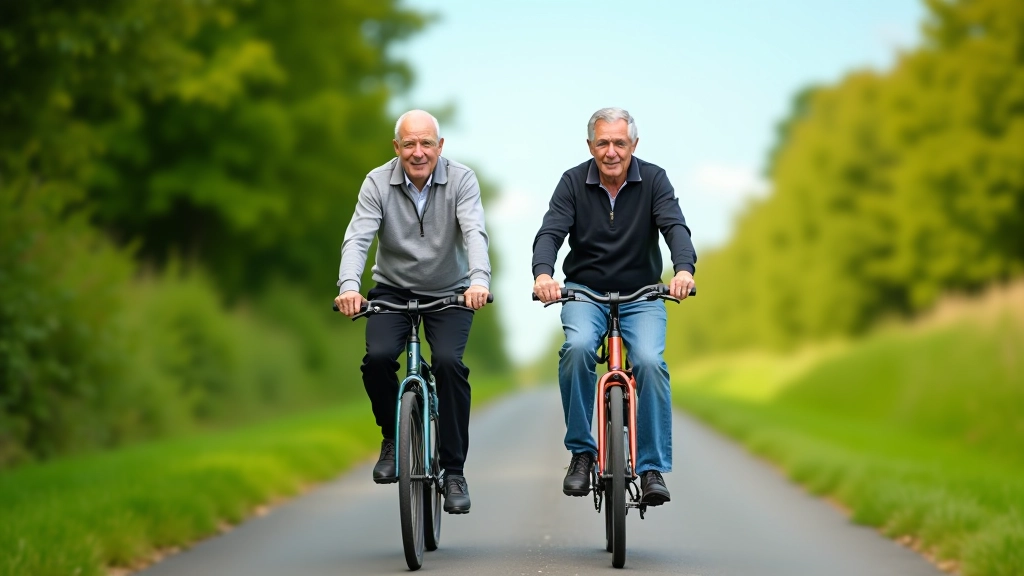
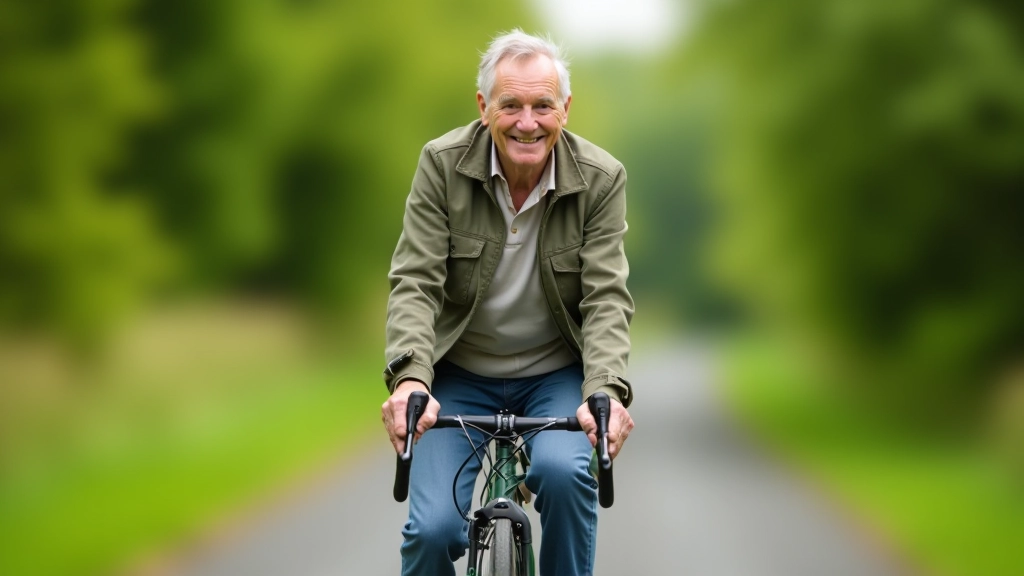
Your pace isn't about speed — it's about sustainability. On the Midleton to Youghal greenway, you'll see riders going fast and riders going slow. Both groups are doing it right if they're comfortable.
Here's the real test: Can you hold a conversation while cycling? If you're struggling to speak in full sentences, you're pushing too hard. If you're barely breathing, you could go faster. That sweet spot — where you're working but not gasping — that's your zone.
On longer rides (anything over 90 minutes), aim to maintain about 60-70% of your maximum effort. This keeps your heart rate steady and your legs fresh. Most riders find they can go significantly further when they're not trying to race.
Hydration and Refueling
You'll get thirsty on the greenway. It's unavoidable. The smart move is to drink before you actually feel parched. By the time you're genuinely thirsty, you're already dehydrated.
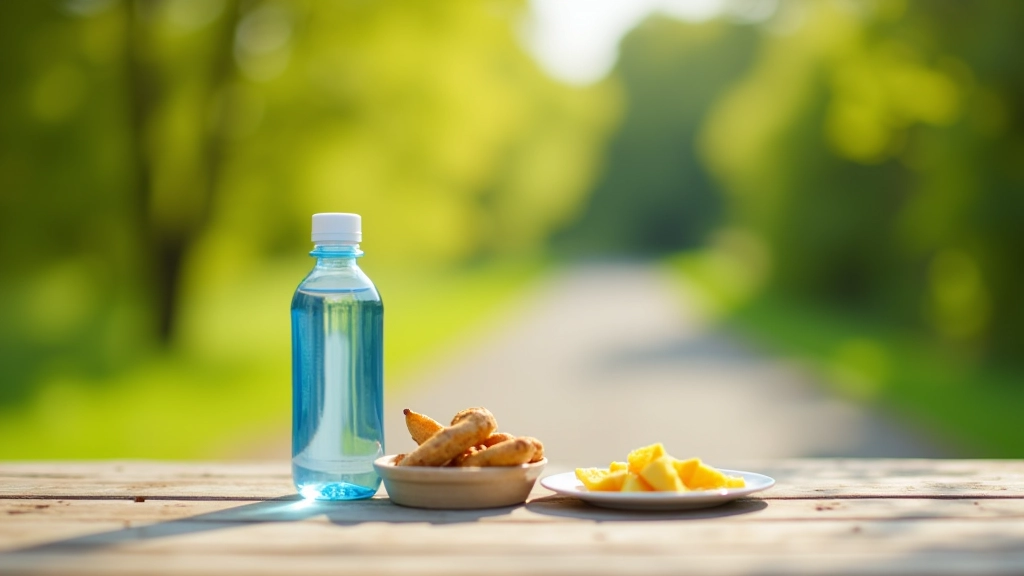
Aim for small sips every 15-20 minutes rather than huge gulps. A typical 500ml water bottle lasts about an hour if you're pacing it properly. For rides over 90 minutes, you've got options. Either carry two bottles, or use the rest stops scattered along the greenway.
Don't forget fuel. Energy doesn't just come from water. After about 60 minutes of cycling, your body needs carbohydrates. A banana, a granola bar, or a handful of raisins makes a real difference. You'll notice it immediately — that sluggish feeling disappears and you've got energy again.
Building Rest Into Your Route
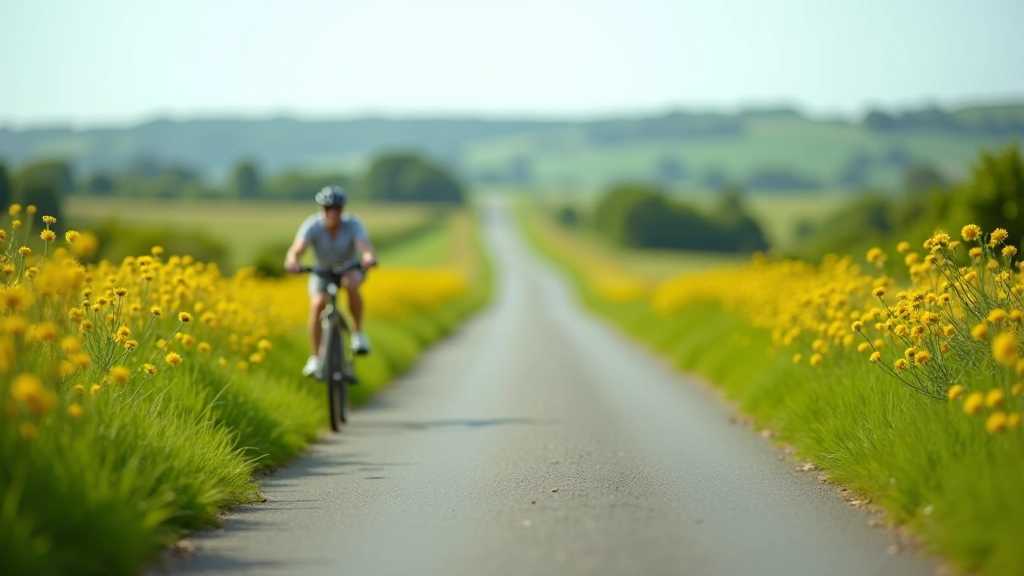
The greenway between Midleton and Youghal is about 42 kilometers one way. That's not a ride you can rush. You shouldn't want to. There are proper rest spots along the entire route — picnic areas, benches, and shaded sections.
Plan for at least one proper break every hour. Ten minutes sitting down makes an enormous difference. Your legs get relief, your heart rate drops, and you can actually enjoy the scenery instead of just powering through it.
Some riders treat these breaks like checkpoints. They arrive, rest, eat something, and continue. Others use them to chat with fellow cyclists or take photos. Both approaches work — the key is stopping intentionally rather than collapsing when you're too tired.
Don't wait until you're exhausted. If your legs are feeling heavy at 45 minutes, find a bench. Your body's telling you it needs a break. Listen to that signal.
Comfort Gear That Actually Matters
Your bike setup affects comfort more than anything else. A properly fitted seat height, correct handlebar reach, and good pedal position mean the difference between a pleasant ride and one where you're in pain the entire time.
Padded cycling shorts aren't just for racing cyclists. They're practical for anyone riding longer than an hour. They reduce friction and pressure on soft tissues. If you're new to longer rides, this single item will transform your experience.
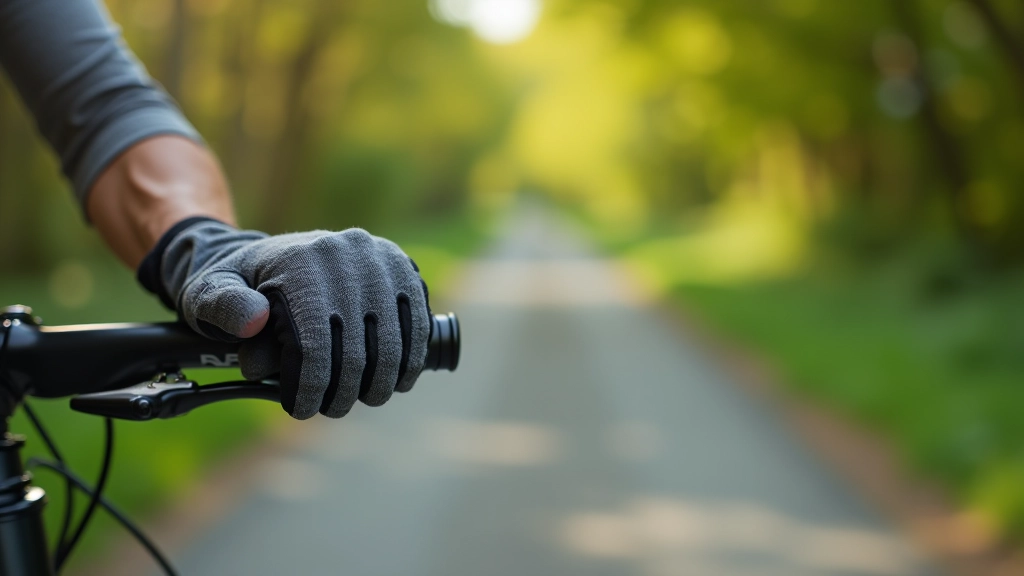
Gloves serve a purpose too — they protect your hands if you fall and reduce vibration from the road. Even on smooth pavement like the greenway, hours of gripping the handlebars can create pressure points.
Recognizing When to Stop
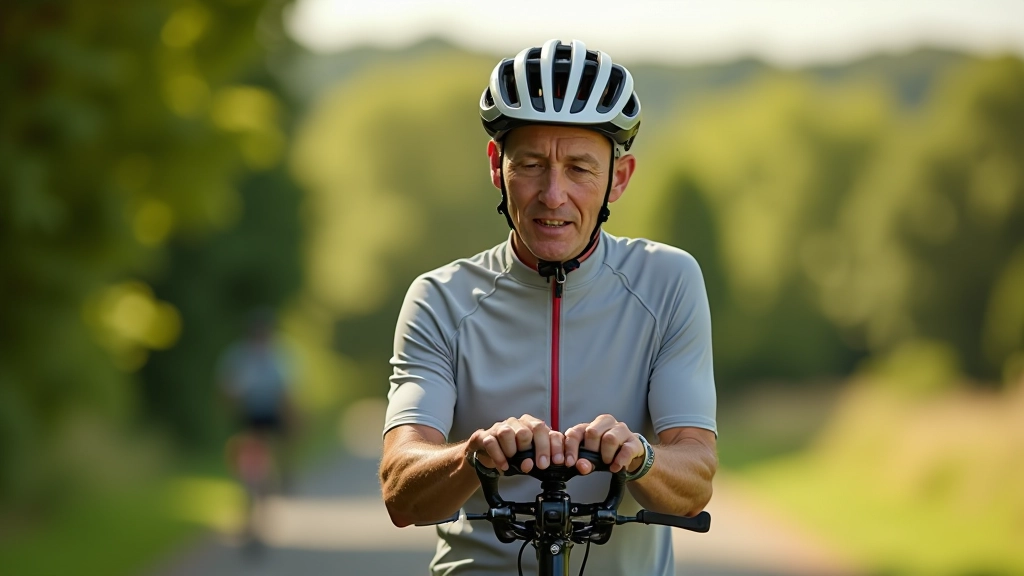
Your body sends signals. You just need to know how to read them. Sharp pain in your knees, shooting sensations down your leg, or dizziness aren't normal. These aren't just discomfort — they're warnings to stop.
Mild muscle fatigue is fine. Actual pain isn't. There's a difference, and it matters. Fatigue feels like your muscles are tired and heavy. Pain feels like something's wrong, and usually, something is.
Stop riding if you experience:
- Chest pain or pressure
- Severe shortness of breath
- Dizziness or lightheadedness
- Sharp joint pain (knees, hips, shoulders)
- Numbness or tingling that doesn't go away
Walking back to the trailhead or calling someone for a lift isn't failure. It's being smart. You'll ride again tomorrow or next week. Pushing through real pain just means you won't be able to ride for months.

After Your Ride
What you do after the ride matters as much as what you do during it. Spend 5-10 minutes stretching while your muscles are still warm. Nothing intense — just gentle stretching to prevent stiffness.
Have something to eat and drink within 30 minutes of finishing. Your body's primed to absorb nutrients and replenish glycogen stores. A banana with peanut butter, a protein bar, or even a simple sandwich does the job.
If your legs feel sore the next day, that's normal after a long ride. If they're so sore you can barely walk, you probably overdid it. Use that as information for your next ride — start a bit easier, build up gradually.
Informational Note
This article provides general guidance for recreational cycling. If you have specific health concerns, existing injuries, or medical conditions, consult with your doctor or a physiotherapist before starting a new cycling routine. Everyone's body is different, and what works for one person might need adjustment for another. Listen to your body and adjust accordingly.
The Simple Truth
Staying safe and comfortable on longer rides isn't complicated. It's just the basics done consistently: pace yourself, drink water, eat when you need to, take breaks, and listen to your body. The greenway's designed for people like you to enjoy it without pushing to extremes.
You don't need to be an athlete to ride long distances. You just need to be intentional about how you approach it. Start with shorter rides, build up gradually, and you'll find yourself cycling for hours without discomfort. That's when it becomes something you actually look forward to.